Understanding the Mental Game
Poker isn’t just a game of odds and probabilities it’s a psychological battlefield. While math certainly plays a role, many critical decisions at the table hinge on emotional control, behavioral awareness, and mental discipline.
When Psychology Trumps Math
There are moments in every game when cold logic gives way to human behavior. A technically correct play might fail if an opponent is thinking on an entirely different level or not thinking at all.
Players don’t always act logically.
Emotions, fatigue, and ego can override statistics.
Reading your opponent often matters more than reading the board.
In these moments, your ability to observe and influence is often more important than understanding pot odds.
Core Traits of a Mentally Strong Player
Mental strength is your foundation at the poker table. The strongest players master not only the cards, but themselves.
Discipline: Know when to fold even the tempting hands.
Patience: Wait for opportunities instead of forcing the action.
Emotional Control: Stay cool whether you’re winning or losing.
Developing these qualities helps keep your strategy intact even when the game gets volatile.
Understanding Tilt and How to Beat It
One of the most costly psychological traps in poker is tilt: the emotional spiral that pushes players to make reckless decisions.
Common causes of tilt:
Losing a big hand you ‘should’ve’ won
An opponent playing erratically and getting lucky
A string of cold cards causing mounting frustration
How to avoid or exit tilt:
Recognize the signs early (frustration, impatience, overaggression)
Take a short mental break, even if it means stepping away for a few hands
Recenter with a reminder of your game plan and long term goals
Avoiding tilt isn’t just good for your bankroll. It’s proof that you’re playing your game not theirs.
Mental strength doesn’t guarantee victory in every hand, but over time, it ensures you make fewer mistakes and capitalize when others lose control.
Playing Mind Games Without Saying a Word
Poker isn’t always about cards it’s about what people think you’re holding. Projecting confidence, even when you’re light on real strength, is a key skill. It’s not about puffing your chest. It’s the calm bet, the even voice, the steady stare across the table. The more comfortable you look, the more likely others are to assume you’ve got it.
Misdirection is where you start playing poker on a higher level. Let them think you’re cautious when you’re setting up a trap. Or seem loose and careless just before dropping a strong hand. Your pace, posture, even how you sip your drink it all whispers something. Make sure it’s whispering what you want.
Controlling your image means playing the long game. If you’ve been conservative for an hour, your first weird bluff looks like gospel. On the flip side, if you show chaos every hand, no one trusts your bets, logged or not. Shape what players think you are hand by hand until you’re leading them anywhere you want.
In poker, silence can speak volumes. Just make sure it’s telling the right story.
Spotting Weakness Through Nonverbal Clues
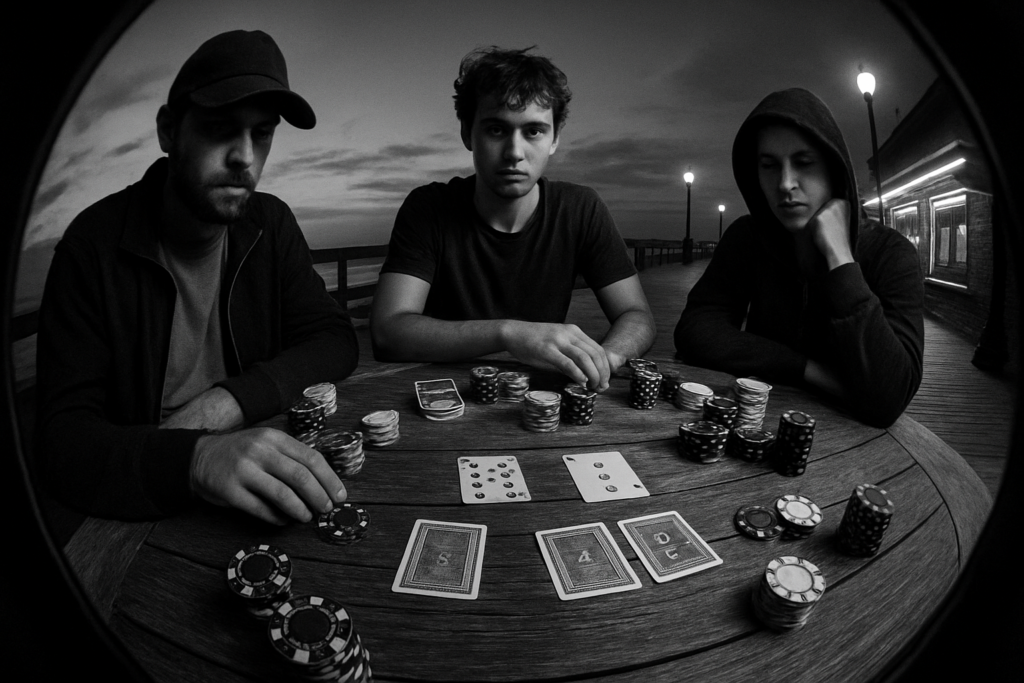
At a poker table, the loudest voice is often the one saying nothing at all. Body language betrays more than most players realize especially when nerves creep in. Shaky hands fumbling chips. Feet tapping under the table. Shoulders slouching after a missed bluff. None of it is random.
Watch their hands. Uncertain players tend to pause longer before moving chips, almost like they’re checking with themselves first. When they do act, it’s often rushed or overly cautious either plopping chips down with too much force or sliding them in with hesitance. Neither screams confidence.
Posture is another dead giveaway. People in control hold themselves with stillness. Those unsure of their move shift, fidget, fold their arms, or hunch. Making themselves smaller is a way of deflecting attention. You’re not imagining that.
Then there’s eye contact or the lack of it. If someone suddenly avoids looking at you right after a bet, they’re likely unsure. Same goes for staring too hard, trying to reverse psych you into folding.
Timing tells are classic. A too fast bet can signal a player who decided earlier to bluff but is now rushing to minimize discomfort. A long stall might come from someone weighing a tough call or trying to look like they are. In either case, analyze the tempo, not just the bet size.
For a deeper breakdown of physical cues and psychology, check out Master the Art of Reading Poker Tells. Reading weakness isn’t a gimmick it’s a skill, and it pays.
Verbal Tells and Table Talk

In poker, words are rarely just noise they’re breadcrumbs. When someone talks too much at the table, they’re likely giving something away. Nervous chatter after a bet? Might be overcompensating for a bluff. Longwinded explanations no one asked for? That player wants you to fold. The more someone talks, the more they leak context without realizing it.
It’s not just what’s said, but how. Tone reveals confidence or doubt. Volume can rise with tension. Rapid speech often equals nerves, while sudden slowness might mean someone’s carefully crafting a trap. Most players aren’t trained actors they can’t hide these shifts under pressure.
That’s why the sharp ones keep verbal output to a minimum. Silence isn’t just mysterious; it’s strategic. You’re harder to read when you say less. And when you do speak, make it count calm, deliberate, consistent. Whether you’re bluffing or holding aces, your voice should sound the same.
Bottom line: every sound at the table is a signal. Know what you’re sending. Know what you’re hearing.
Emotional Triggers to Watch For
Frustration is the silent killer at the poker table. Players don’t usually notice it building but it shows up fast when someone calls light, bluffs recklessly, or chases a bad hand out of impulse. That tilt moment? It’s what better players are waiting for. Every emotional crack is an opening for someone else’s gain.
Look out for opponents who try to poke. They might needle your big folds, laugh at missed hands, or bet fast to rush your thinking. These are classic provocation plays. Their goal isn’t the pot it’s to knock you off balance. And tilted players make predictable, aggressive, or avoidant moves. That makes them easier to read and beat.
Which is why being unreadable is its own kind of weapon. Don’t just manage your face manage your pace, your reactions, even your posture. Win or lose a hand, stay level. If they can’t tell when you’re frustrated, they’ll stop trying to exploit it. Keep your mind clean, your tells buried, and your emotions yours alone.
Practicing Psychological Dominance
In poker, dominance isn’t about speaking the loudest or playing the most hands it’s about quietly controlling the flow of the game. Mastering psychological dominance requires a strategic mindset, emotional discipline, and well timed aggression.
Establishing Table Authority Early
Gaining respect at the table starts in the early phases of play. The first few hands set the tone for how others perceive you. If you’re focused, selective, and confident even in folds you project strength.
Stay calm and deliberate in your decisions
Play tight in the beginning to establish credibility
Take down pots with confident, well sized bets even small ones
As your reputation strengthens, your bluffs become more believable, and your strong hands more intimidating.
Target a Key Opponent (But Don’t Make It Obvious)
While you’re observing everyone, identify one opponent who appears more predictable, emotional, or inexperienced. This becomes your pressure point.
Choose someone who reacts a little too visibly to wins/losses
Gradually apply pressure in hands involving this player
Use position to your advantage especially when they’re in the blinds or under pressure
Applying consistent pressure can make them question their decisions, leading to mistakes you can exploit.
Creating Confusion While Staying in Control
A powerful player knows how to remain emotionally neutral while stirring uncertainty in others. Subtle unpredictability keeps people guessing.
Change up your bet timing and sizing without losing consistency
Use quiet pauses or short glances to hint at strength or weakness without giving anything away
Alternate between assertive moves and silent, still postures
The most dominant players don’t reveal their plans. They observe, wait, and strike when opponents are most off balance.
Staying composed under pressure not only protects your own game it also trains others to second guess theirs. That’s how psychological dominance pays off hand after hand.
Leveling Up Your Psychological Edge
Raw gut feeling can win you the occasional hand. But over time, instinct alone gets outplayed. The pros blend intuition with observation, tracking betting habits, behavioral changes, and mood shifts not just chip counts. Before any big move, smart players ask: what patterns have I seen, and does this moment break them?
You also learn more from losses than wins. Every showdown is a free lesson in what you missed or misread. Don’t just shrug and shuffle the deck. Run it back in your head, note the cracks in your logic or reads, and adjust.
Your table persona matters too. Whether you’re stone cold silent or chatty and loose, pick a presence that serves your strategy and stick to it. Inconsistency breeds suspicion. Consistency builds psychological pressure.
For deeper insight into decoding behavior at the table, check out the full guide on Reading Poker Tells.
Stay sharp, stay centered and remember: the smartest player doesn’t always show it.