Texas Hold’em The Classic for a Reason
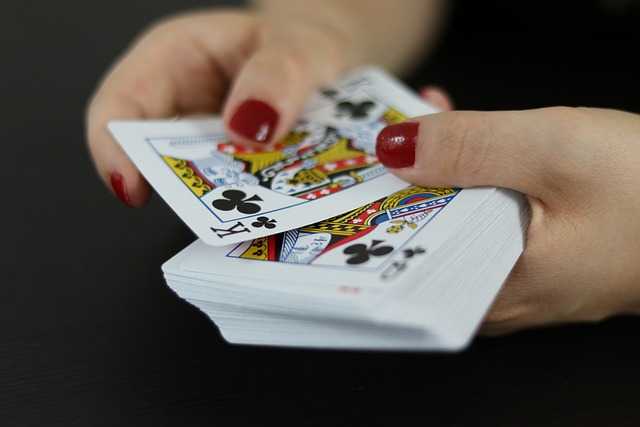
Texas Hold’em doesn’t just lead the pack it defines it. There’s a reason it headlines the World Series of Poker, fills up online tables 24/7, and shows up in every film where someone says, “I’m all in.” It’s built on a perfect mix of strategy, psychology, and luck. Two hole cards, five community cards, four rounds of betting easy to describe, tough to master.
The rules are straightforward. Everyone gets two private cards. Five shared cards are revealed in stages (flop, turn, river). You make the best five card hand using any combo. The game rewards patience and punishes ego. Betting with air? You’ll get called. Sitting on monsters and slow playing? You might trap someone who’s half awake and halfway out the door.
Hand strategy is everything. Position matters. Aggression counts. Reading your opponent’s range can flip the script. You’re not just playing your cards you’re playing the other person across the table (or screen).
What makes Hold’em so resilient is its accessibility. You can learn the basics in ten minutes, lose your first buy in an hour later, and still come back hungry. It scales with your skill. Beginners play it for fun. Pros play it for bracelets, millions, and pride.
Want to explore how other Texas Hold’em formats stack up? Check out Learn more about different formats in Texas Hold’em and beyond.
Omaha A Game of Bigger Pots and Bigger Risks
Omaha is where poker goes full throttle. Instead of two hole cards like in Texas Hold’em, players get four. Sounds generous, but the catch is you must use exactly two from your hand and three from the board. That twist ramps up the complexity and the action. With more combinations comes more potential hands, which means bigger pots and more swingy outcomes. It’s not a game for the faint hearted.
Hand selection matters more than ever here. Not all four card hands are created equal. Connecting cards with suitedness and coordinated potential can go a long way, but overplaying weak combinations is a fast track to the rail. Reading the board is also key strong hands shift quickly once all five community cards are out, so experience and board awareness pay off.
Pot Limit Omaha (PLO) is by far the most popular variant. It balances aggression with strategy and limits the betting amounts to the size of the current pot. Omaha Hi Lo, on the other hand, splits the pot between the best high hand and the best qualifying low, making it a more nuanced version played with a different mindset.
Curious why Omaha’s catching fire in both online and live scenes? Take a look at this deep dive into why Omaha is gaining popularity.
Seven Card Stud Old School, Still Sharp
Before Hold’em took over every broadcast and backroom home game, Seven Card Stud was the king. It’s slower. It’s quieter. And it demands more from your brain than just reading a flop. In Stud, there are no community cards you’re working with what you’re dealt and what you can remember about what others had face up. That means observation isn’t optional, it’s the game.
The fixed limit structure in Stud also keeps things honest. You can’t bully your way to pots with oversized bets. Patience and precision count more than aggression. This makes it a perfect training ground for mental discipline.
If you’re looking to sharpen your memory, improve your ability to read partial information, and train your judgment under pressure, Stud’s where you go. It’s not flashy, but it builds real poker maturity.
Razz Lowest Hand Wins

Looking to flip traditional poker strategy on its head? Razz offers a totally different angle by rewarding the lowest hand at the table. Though it’s played in a similar structure to Seven Card Stud, the objective is reversed, offering a fresh challenge for those who think differently.
What Makes Razz Unique
Unlike standard poker games that chase the highest hand, Razz is all about building the lowest possible.
Ace to Five Lowball Format: In Razz, straights and flushes don’t count against you. The ideal hand? A 2 3 4 5, the classic “wheel.”
No High Hand Drama: Traditional hand rankings are thrown out. No sets, no full houses just low cards and quiet confidence.
A Game for Stud Savants
Players who thrive in stud style formats will find Razz rewarding for its slower pace and need for sharp memory. With individual upcards visible and no community cards in play, success relies on focus and discipline.
Mental Tracking is Key: Observing exposed cards and folded hands helps determine which lowouts remain live.
Patience Over Flash: Razz rewards steady, thoughtful play rather than big bluffs or splashy showdowns.
Even if it’s not as flashy as Hold’em or PLO, Razz sharpens a poker player’s awareness, resilience, and edge over time. It’s not just a game it’s a discipline.
Five Card Draw Poker in Its Purest Form
This is the version grandma taught you or maybe your older cousin at the kitchen table when nobody was watching. Five card draw is poker stripped down to the bones. One deal. One chance to swap cards. One shot to guess what your opponent is sitting on. No community cards, no fancy splits. Just raw reads and fast decisions.
You start with five cards, decide how many to toss, and get replacements. That’s it. The rest is guts, memory, and nerve. Because there’s only one draw round, you’ve got to read fast and commit. People like it because the pace is tight and personal. It’s mental sparring without much fluff.
Still thrives in casual home games and makes a comeback in retro tournaments. If you want to strip poker down to instinct and feel this is your game.
Mixed Games Test of All Around Skill
If you want to prove you’re the real deal in poker, mixed games are where that happens. Formats like H.O.R.S.E. and the 8 game mix rotate through multiple variants Hold’em, Omaha, Razz, Stud, and more. You don’t get to ride one skill. Every orbit keeps you on your toes.
Why does this matter? Because these games force you to widen your knowledge and strategy. You might crush in Texas Hold’em, but the moment Stud Hi Lo hits the rotation, you’ve got to shift gears fast. That kind of pressure exposes holes and also builds well rounded players.
It’s no accident that many high stakes cash games and elite tournaments are built around these mixes. They reward adaptability, deep learning, and mental stamina. In short: specialists win sessions, but all around pros win respect.
Try, Then Specialize
Poker’s a game of many faces and you won’t know which one suits you until you’ve played a few rounds across the board. Start broad. Take time to feel out everything from Hold’em to Razz to mixed games. Each format sharpens a different part of your skill set: memory, bluff timing, math, table dynamics. You’ll learn what excites you, and where your instincts naturally point.
Some players thrive in the chaos of Omaha’s wild swings, others in the slow burn of Seven Card Stud. Maybe you’re a grinder gunning for long term cash wins. Maybe you live for tournament highs. Doesn’t matter where you land what matters is staying sharp. Even specialists revisit other formats to keep their edges honed. So mix it up, challenge yourself, and lean into the variant that makes you play your best. Just don’t get too comfortable. The game’s always evolving. You should, too.
 David Fields is a dedicated contributor to Jackpot Joyfully, specializing in the intricacies of sports betting and casino games. With years of experience in the gaming industry, David provides readers with expert advice, detailed strategies, and the latest insights to help them make informed decisions. His commitment to fostering a fun yet responsible gaming environment shines through in every article he writes, making him a trusted voice for both new and experienced players.